Best Time to Visit Hustai National Park in 2026-2027
Open year-round, but not all months are equal. Spring and autumn put the horses in the valleys and the light on your side. Here is how each season really plays.
 Written with Bat-Erdene Ganbaatar, Hustai National Park tour guide and wildlife specialist
The short version
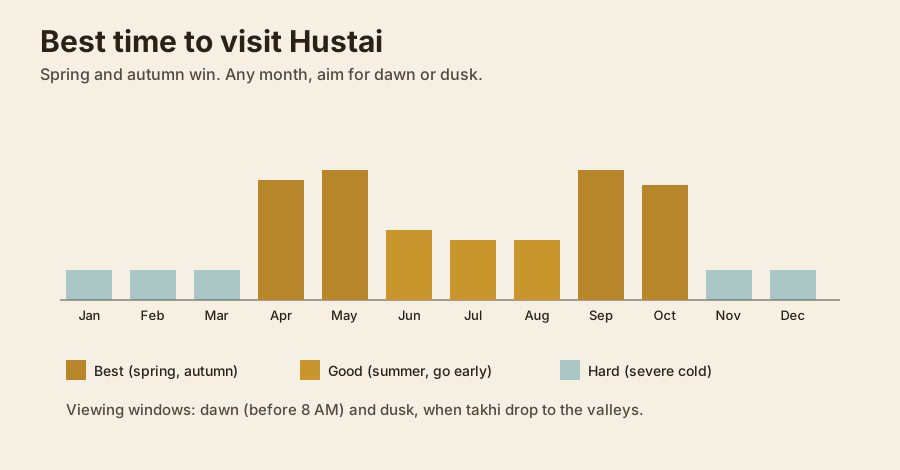
The best time to visit Hustai is spring, April to May, and autumn, September to October, when the weather is mild and takhi graze the valleys at comfortable hours. The park stays open year-round, but summer days are hot and hazy and winters are severely cold. Whatever the month, aim for dawn or dusk.
Ask me which month to come and I will ask what you are here for. Photographers who want horses backlit on a ridge get a different answer from families who just want a mild day on the steppe. I have guided through the green rush of June, the bite of a February dawn, and the amber quiet of late September, and the seasons are genuinely different animals. Here is how each one behaves, and why the calendar matters more at Hustai than at most parks.
When is the best time to visit Hustai National Park?
Spring, April to May, and autumn, September to October, are the two sweet spots. The weather is mild, the crowds are thin and takhi graze the valleys at reasonable hours. The park is open every month, but high summer runs hot and hazy while deep winter is severely cold. In any season the horses show best at dawn and dusk.
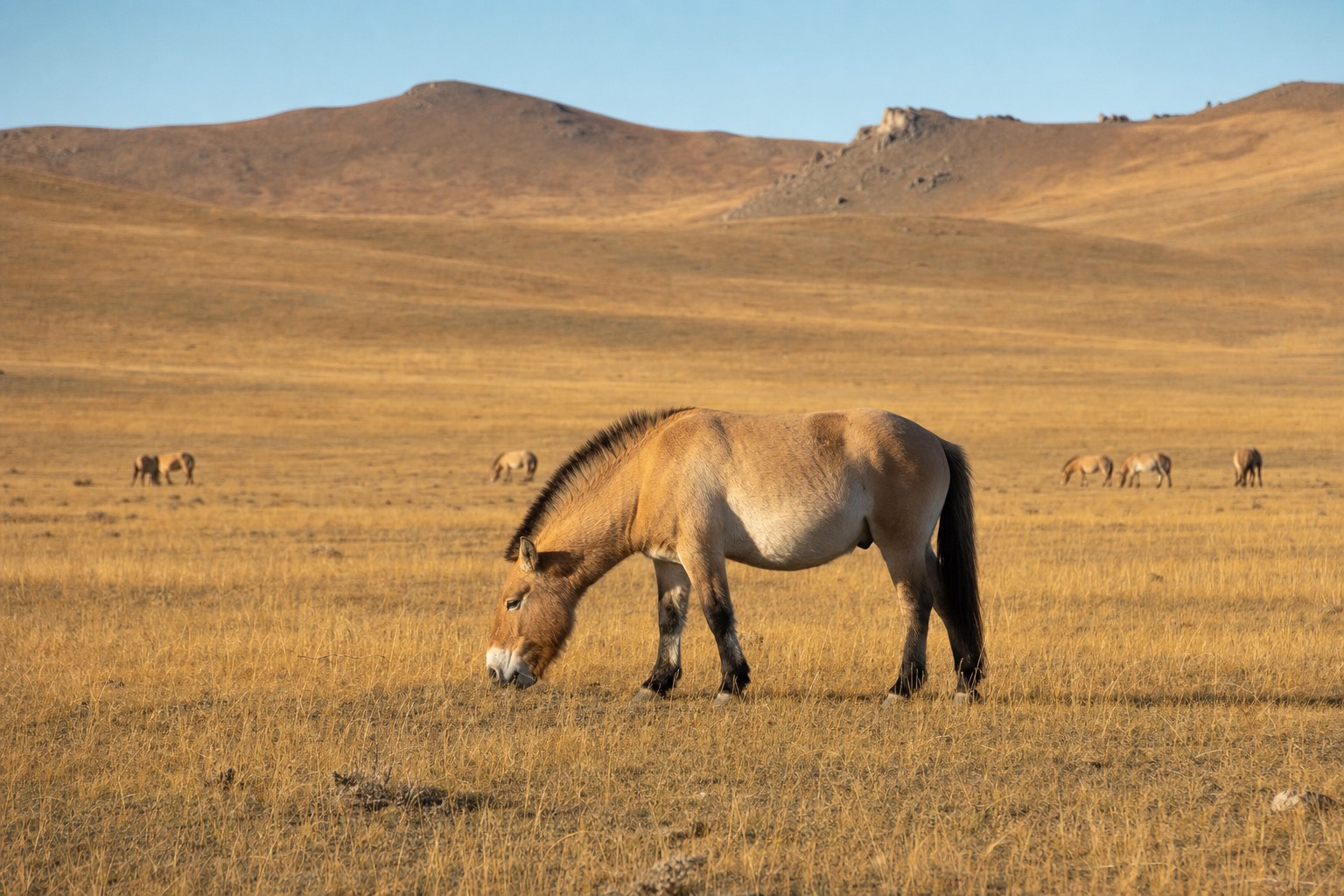
The reason the shoulder seasons win is partly comfort and partly the horses. In the heat of midsummer takhi retreat to higher, cooler ground through the middle of the day, so a mid-morning arrival can mean an empty valley. Spring and autumn hold the animals lower for longer. The park's own guidance and 2026 visitor guides both point to those two windows, and my own seasons on the ground match it. Green summer still has its pleasures, and I will not pretend a warm July day on the steppe is a bad time; it is simply not the best time for close, easy wildlife watching.
| Season | Months | Character | Verdict for takhi |
|---|---|---|---|
| Spring | April to May | Mild, greening steppe, thin crowds | Best: horses low, comfortable hours |
| Summer | June to August | Warm to hot, green, hazier air | Good but horses climb midday |
| Autumn | September to October | Crisp, amber grass, clear light | Best: mild days, strong sightings |
| Winter | November to March | Severely cold, stark and quiet | Hardest: for the committed only |
What is the weather like at Hustai through the year?
Hustai sits on high open steppe, so weather runs to extremes. Summer days are warm to hot with occasional afternoon haze; spring and autumn are mild but windy, with cold mornings. Winter is severely cold, well below freezing for months. The wind blows in every season, and temperatures swing sharply between a dawn chill and midday sun.
The single biggest mistake visitors make is dressing for the forecast high and ignoring the dawn. A May morning that reaches a pleasant afternoon can start near freezing, and the steppe wind pulls heat off you fast. I tell every guest to pack a warm layer regardless of the month; the what to pack for Hustai guide breaks down the full kit. Because the horses are best at first and last light, you are deliberately out in the coldest part of the day, so warmth is not optional even in June.
| Month | Rough conditions | Note for visitors |
|---|---|---|
| Apr to May | Mild days, cold mornings, wind | Spring window opens; layer up |
| Jun to Aug | Warm to hot, greenest steppe | Horses climb midday; go early |
| Sep to Oct | Crisp, clear, amber grass | Autumn window; prime light |
| Nov to Mar | Severely cold, stark | Tours run but conditions are harsh |
Does the time of day matter more than the season?
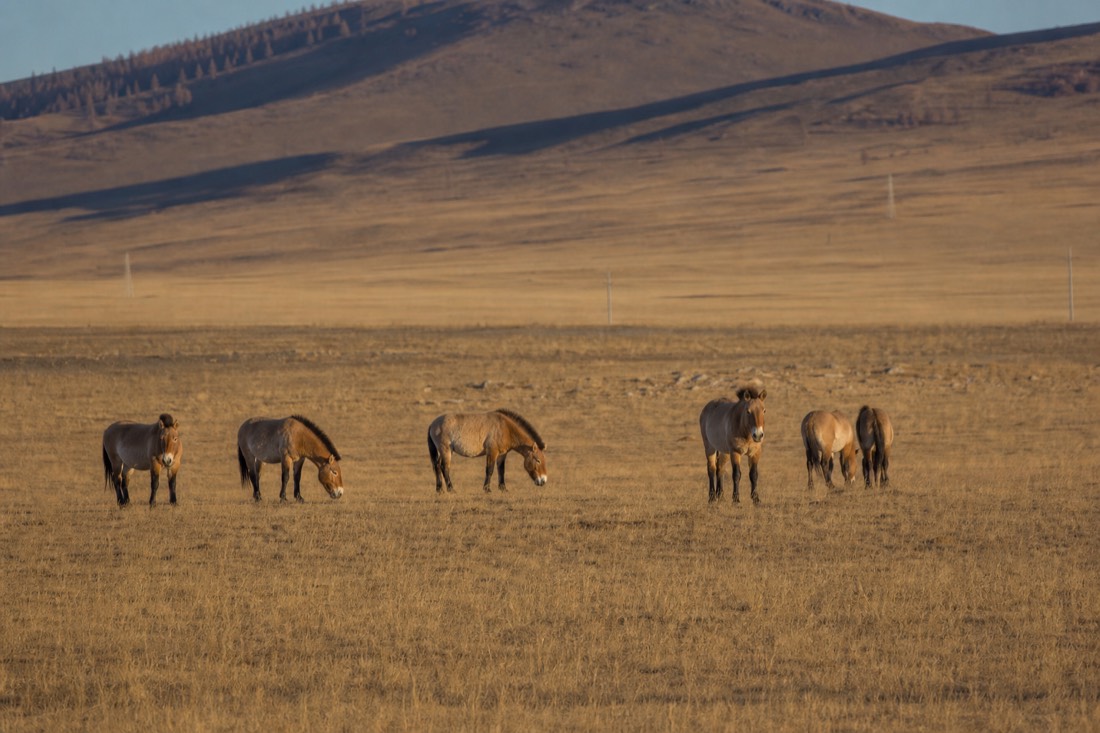
Yes. Time of day is the single biggest factor in seeing takhi well. The horses come down to the valleys around dawn, before roughly 8 AM, and again near dusk, then keep their distance through the day. A perfect-season visit at noon can disappoint, while a dawn arrival in an average month can deliver. Plan your day around the light, not the thermometer.
This is where a self-driven day trip often falls short. Arriving mid-morning after the drive from the city puts you in the valley exactly when the harems have drifted up and away. On a private trip you can leave early enough to catch the first window, which is why so many horse-focused visitors choose one. Book a private trip like the Private Hustai Day Tour and check live availability and prices on Viator so you can set a start time that hits dawn rather than the middle of the day. Summer group departures sometimes start earlier for the same reason.
What does each season offer beyond the horses?
Spring brings green flush, returning birds and marmots emerging from their burrows. Summer is the lush green season with long daylight. Autumn turns the grass gold and clears the air for photography. Winter strips the steppe bare and severely cold, offering solitude and stark beauty for hardy visitors. The takhi are present in all four.
The wider wildlife shifts through the year too, and it is worth knowing what else you might catch. Marmots are most active in the warmer months and they are everywhere; the park's 223 recorded bird species peak on migration in spring and autumn. Red deer, which have grown from around 50 to over 1,300 animals here, and a healthy population of gray wolves, which do prey on takhi foals, make Hustai more than a one-horse show. If your hopes run wider than the takhi, the animals in Hustai guide sets honest expectations for what you actually tend to see.
Spring has a particular reward that the other seasons cannot match: new life across the steppe. The marmots emerge blinking from winter burrows, the grass greens almost visibly week to week, and the harems carry their youngest members of the year. Autumn trades that softness for clarity. By late September the air dries and sharpens, the low sun lays a warm wash over gold grass, and photographers get the crisp long-lens conditions they dream about. I have made the same drive in both windows and come home with completely different pictures, one soft and green, one burnished and stark.
Should I stay overnight to catch the best light?
If takhi are your priority, an overnight at the park ger camp beats a day trip in any season. Staying inside the park lets you reach the valleys at true dawn and again at dusk, the two windows a day-tripper from Ulaanbaatar usually misses. In summer especially, when horses climb to cooler ground by mid-morning, being on site at first light is the single biggest advantage you can buy.
A day trip still works, and most first-time visitors do exactly that. But there is a reason serious wildlife watchers sleep over. The drive from the capital eats the golden hour at both ends, so a same-day visitor lands in the valley when the harems have already drifted up and away. Base yourself at the camp and the dawn window is a short walk or drive, not a two-hour commitment before sunrise. The season you choose shapes the stay as much as the accommodation does: a June dawn is mild and buggy, an October one crisp and still, and a January one a test of resolve.
Season pros and cons at a glance
No single season wins outright. Spring and autumn give the best mix of mild weather and active horses. Summer trades midday horse activity for green scenery and long days. Winter offers solitude and dramatic light at the price of real cold. Pick by whether you prize comfort, photography, or having the steppe to yourself.
| Season | Pros | Cons |
|---|---|---|
| Spring | Mild, green, thin crowds, active wildlife | Cold mornings, strong wind |
| Summer | Long days, lush green, warm | Midday heat, horses climb, hazier |
| Autumn | Prime light, amber grass, strong sightings | Cold snaps arrive by late October |
| Winter | Solitude, stark beauty, clear skies | Severely cold, harder logistics |
If you are still deciding whether to build a whole day around this, the one-day Hustai itinerary shows how the dawn and dusk windows shape a realistic trip.
What does a two-day shoulder-season visit actually look like?
Arrive early afternoon, settle into the ger camp, catch the dusk window, then wake for the dawn window before heading back to Ulaanbaatar. Two days inside a spring or autumn shoulder season buys both viewing windows without a single pre-dawn drive from the capital, which a same-day trip simply cannot offer.
This is the itinerary I point serious wildlife watchers toward once they have done the standard day trip and want more. It is a different shape entirely from a single long day, because the drive stops being the thing you schedule around.
Book it for the second half of a longer Mongolia trip if you can, once you have already settled into the time zone and the pace of travel here. A shoulder-season overnight also gives you slack the day trip does not: if Day 1's dusk window is quiet, a slow harem or an overcast sky, Day 2's dawn is a genuine second chance rather than the only chance. That margin alone is worth the extra night to anyone who has flown a long way specifically to see takhi.
| Time | Day 1 | Day 2 |
|---|---|---|
| Late morning | Depart Ulaanbaatar | Dawn window in the valleys, before roughly 8 AM |
| Early afternoon | Arrive, check in at the ger camp | Breakfast at camp |
| Late afternoon | Rest, explore near camp | Second, shorter viewing loop |
| Dusk | First viewing window as horses come down | Depart for Ulaanbaatar |
| Evening | Dinner and overnight at the camp | Arrive back by early evening |
Treat the times above as a shape, not a schedule. Spring evenings hold their light later than autumn ones, so a September dusk window closes noticeably earlier than a May one, and a good guide will shift the whole plan by half an hour or so around the equinox either way. What does not move is the sequence: arrive, rest, first window, sleep, second window, go home. That order is what actually buys you the two chances at the horses rather than one.
Who should skip a winter visit to Hustai?
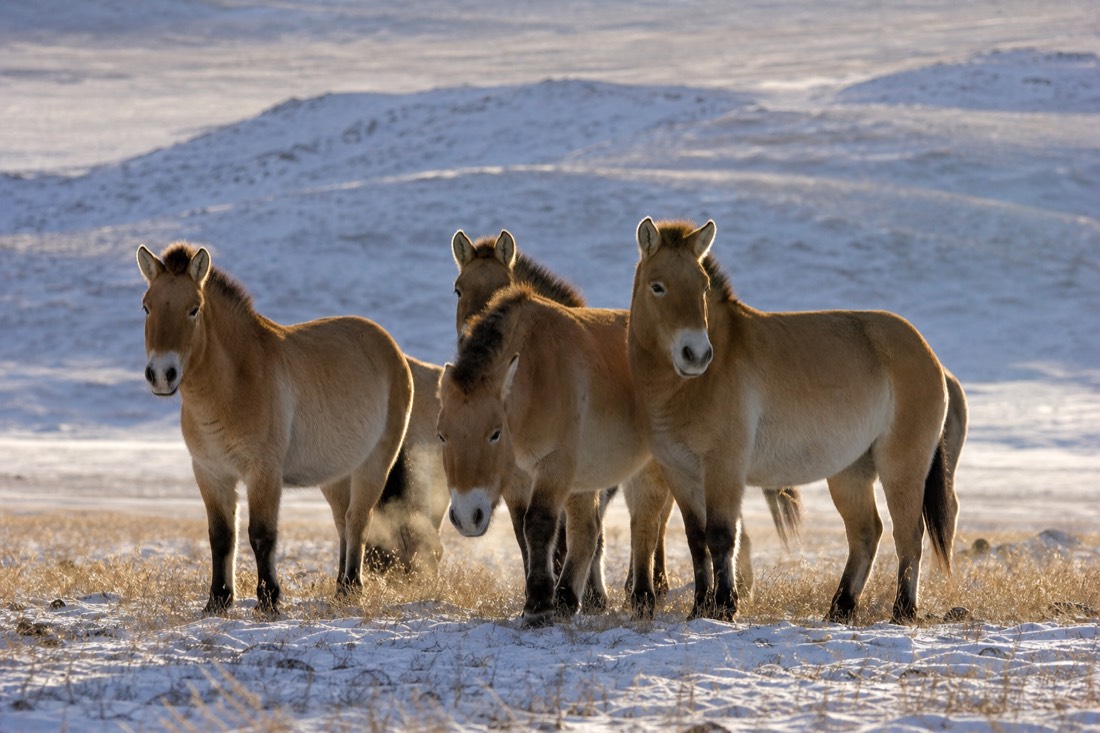
Winter suits hardy, well-prepared travellers chasing solitude and stark light, and it does not suit young children, anyone without serious cold-weather gear, or photographers hoping for the gold grass of autumn. Bat-Erdene is blunt about this one: winter here is not a scaled-down version of the shoulder seasons, it is a genuinely different, tougher trip.
"I have guided winter mornings where the cold is the whole story," he says. "It is beautiful, but I would not send a family with a toddler out there, and I tell photographers chasing warm autumn colour to come back in September instead." The park stays open and tours still run; the question is whether the traveller, not the park, is ready for it.
There is a smaller group I would actively encourage toward winter: repeat visitors who have already had their spring or autumn day and want to see the same valleys stripped down to their essentials. A harem holding tight against the cold, breath visible, snow on the dun coats, is a genuinely different animal from the same horses grazing loose in September. It is not a trip for a first visit. It is a good one for a second.
| Traveller type | Winter fit |
|---|---|
| Well-prepared, cold-tolerant adults seeking solitude | Good fit: stark beauty, thin crowds, clear skies |
| Photographers wanting golden autumn grass | Poor fit: winter strips the steppe bare, come back in autumn |
| Families with young children | Poor fit: severe cold makes a long outdoor day hard on kids |
| Travellers without proper winter layers | Poor fit: the exposed steppe gives cold nowhere to hide |
| Anyone wanting guaranteed comfort over atmosphere | Poor fit: pick spring or autumn instead |
If you are on the fence, the honest test is a simple one. Ask whether you would enjoy a genuinely cold outdoor morning back home, layered up properly, for the reward of near-empty scenery and a quiet park. If the answer is yes, winter at Hustai will likely reward you. If the question itself sounds unpleasant, spring or autumn will get you the same horses with far less discomfort attached.
How does the light and air change across the seasons for photography?
Spring gives soft, slightly hazy light with fresh green and returning wildlife. Summer is the haziest season, with long days but flatter afternoon light. Autumn brings the clearest air of the year and warm, low-angle light on gold grass, the season most photographers here would pick first. Winter delivers the highest-contrast light of all: pale sun, long shadows, and a stark, bare steppe.
I have made the same drive out in nearly every month since 2022, and the air itself changes as much as the colours do. Autumn's dry, sharp light is the one visiting photographers ask for by name, but each season rewards a different kind of picture.
None of this is a reason to avoid the "wrong" season if it is the only one you can travel in. A hazy July afternoon still produces good pictures, just softer, greener ones than a crisp October morning. What changes with the season is less whether you get a shot at all and more which kind of shot is realistically on offer, so it helps to know what you are optimising for before you pack a long lens or leave it at home.
| Season | Air and light | Best for |
|---|---|---|
| Spring | Soft light, some haze, fresh green | New foals, returning birds, gentle colour |
| Summer | Hazier air, long days, flatter midday light | Wide green landscapes, early or late sessions only |
| Autumn | Clearest air, warm low-angle light, gold grass | Classic Hustai photography, takhi against amber ground |
| Winter | High contrast, pale sun, long shadows | Stark, minimal, black-and-white-style compositions |
What is the biggest timing mistake Bat-Erdene sees?
The mistake he sees most is visitors treating "open year-round" as "any hour is fine," then booking a leisurely late-morning departure and arriving at an empty valley. The park being open every day says nothing about whether the horses are down where you can see them at the hour you show up.
"People read that Hustai is open all year and relax about the rest," he told me. "They have a nice breakfast, leave the hotel at ten, and get here at noon in July wondering where all the horses went. The season matters less than most guests think. The hour matters more than almost anyone expects." His fix is simple and repeated throughout this site for a reason: pick a shoulder-season month if you can, but treat dawn or dusk as the one non-negotiable, whatever month you land on.
He puts it more plainly to guests who ask for one rule to remember: "If you can only change one thing about your plan, do not change the month. Change the hour." It is the single piece of advice he says he repeats most, and after a season of guiding I have started saying it myself, almost word for word.
| Common mistake | Quick fix |
|---|---|
| Booking a relaxed late-morning departure | Push for the earliest slot your trip type allows |
| Assuming "open year-round" means any hour works | Plan around dawn or dusk regardless of season |
| Choosing peak summer only for cheap flights | Weigh the midday horse-viewing trade-off against the saving |
| Skipping the ger camp option on a wildlife-focused trip | Consider an overnight if takhi are the main reason for coming |
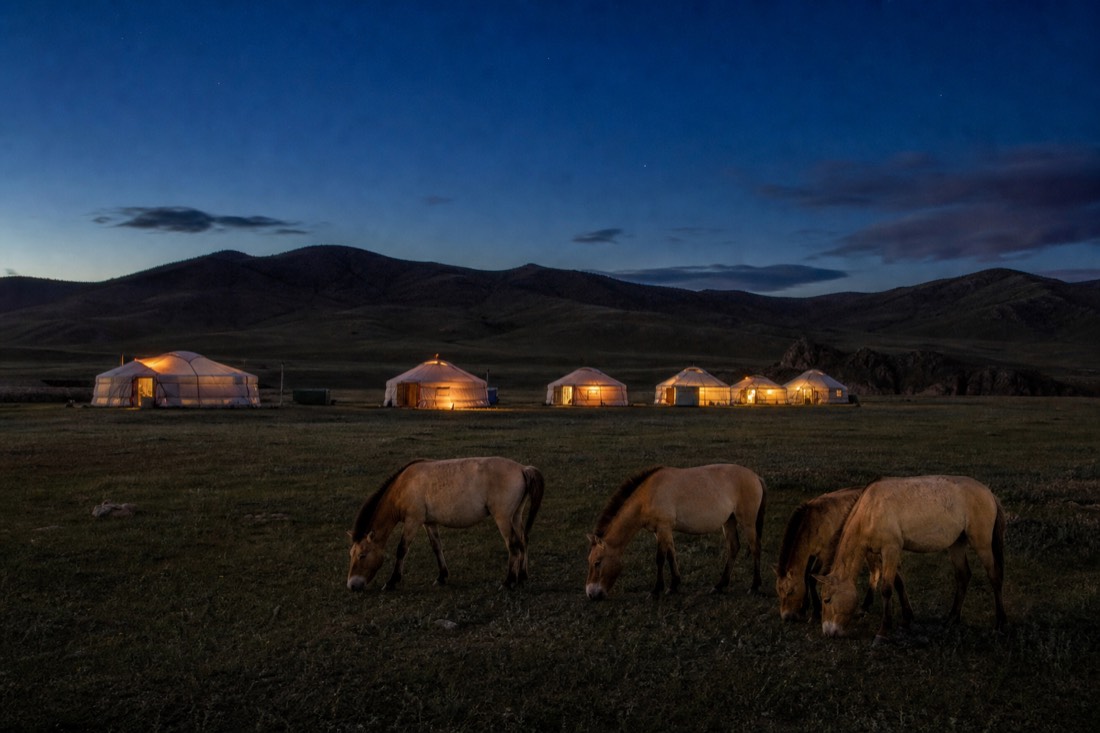
Common questions about when to visit Hustai
What is the single best month to visit Hustai? There is no one month, but May and September are the safest picks: mild weather, active horses and clear light in both the spring and autumn windows.
Is Hustai open in winter? Yes, the park is open year-round and tours still run in winter. Conditions are severely cold on the exposed steppe, so it suits only well-prepared, hardy visitors.
What is the weather like in summer? Warm to hot with the greenest steppe of the year and long daylight. The catch is that takhi move to cooler high ground through the middle of the day, so go early.
What time of day should I arrive to see takhi? Around dawn, before roughly 8 AM, or near dusk. The horses come down to the valleys at those hours and keep their distance the rest of the day.
Will I definitely see wild horses? Sightings are never guaranteed; the operators say so themselves. Timing your visit for the shoulder seasons and the dawn or dusk windows stacks the odds strongly in your favour.